Does the Blood Type Diet Work? What the Research Found
Written by Visage Score, based on the studies cited at the end of the article.
Eat Right 4 Your Type has sold more than 7 million copies in over 60 languages and made the New York Times bestseller list. If you follow it, or are thinking about it, this isn't an article that makes fun of you. It lays out the theory fairly, then shows what researchers found when they put it to the test.
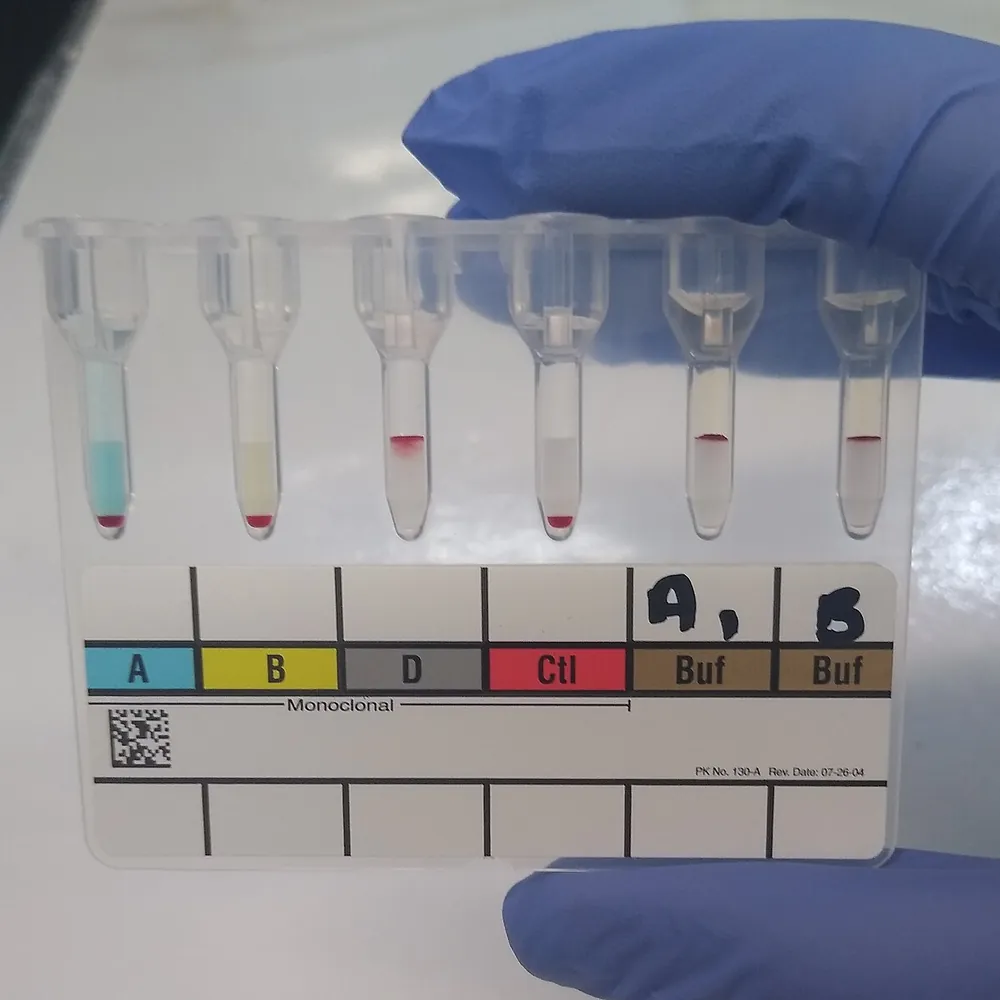
Where the idea comes from
In 1996, Peter D'Adamo published Eat Right 4 Your Type. His reasoning: your ABO blood type carries a record of what your ancestors ate. Each type supposedly emerged at a different point in human history, and your body is still tuned to the food of that era.
The theory adds a mechanism. Lectins, sugar-binding proteins found in some foods, would make blood cells clump together if they aren't "compatible" with your type. Hence a list of beneficial, neutral and avoid foods for each blood type.
It's an appealing idea: personal, easy to follow, and built on something you can look up on a donor card. It also starts from something real, because blood type isn't irrelevant to health. People with type O, for instance, have a lower risk of venous thromboembolism. The question is whether any of that tells you what to eat.
The four profiles, according to the theory
| Blood type | What the theory recommends |
|---|---|
| O | Supposed ancestor: the hunter-gatherer. A diet high in animal protein. |
| A | Supposed ancestor: the first farmers. A largely vegetarian diet. |
| B | Supposed ancestor: nomadic tribes. Dairy has a place. |
| AB | A middle ground between the A and B diets. |
Summary of D'Adamo's theory as described by researchers at the University of Toronto (Wang et al., 2014). This is the book's claim, not a scientific finding: none of these recommendations has been validated by a study.
What researchers looked for, and what they found
In 2013, a team from the Belgian Red Cross (Cusack et al., American Journal of Clinical Nutrition) searched for every study that could have tested these diets. Out of 1,415 references screened, 16 articles got a close look and only one met the criteria, and it wasn't even about the ABO system. The review's conclusion: there is currently no evidence for the claimed health benefits. That wasn't proof the theory was wrong yet, more the observation that nobody had properly tested it.
The test came the following year. Researchers at the University of Toronto (Wang et al., PLoS ONE, 2014) studied 1,455 young adults aged 20 to 29. For each person they scored how closely they ate like the O, A, B and AB diets, regardless of their actual type, then determined their blood type genetically and measured their cardiometabolic markers.
The Toronto study: what went with better markers
| Diet followed, whatever your type | Finding |
|---|---|
| "Type A" diet, mostly plant-based | Lower BMI, waist size, blood pressure, cholesterol, triglycerides and insulin |
| "Type AB" diet | The same markers lower, except BMI and waist size |
| "Type O" diet | Lower triglycerides |
| "Type B" diet | No clear association |
| Diet matching your own blood type | No extra benefit |
1,455 participants. The last row is the one that matters: a type O person eating "like an A" got just as much out of the type A diet as someone who was actually type A.
The verdict
Some of these diets are linked to better health, but for everyone, and not because they match a blood type. What matters is what's on the plate. The authors concluded that their findings don't support the blood type diet hypothesis.
That study captured eating habits at one point in time, so on its own it can't prove cause and effect. But a second study by the same team (Journal of Nutrition, 2018), following 973 adults with overweight over six months, landed in the same place: matching the diet to the blood type changed nothing.
Why so many people feel better on it
They're not imagining it. Whatever the type, following one of these plans often means cooking more, eating more vegetables, eating less packaged food and paying attention to meals. Those changes explain a lot on their own.
On the packaged-food part, a trial at the US National Institutes of Health (Hall et al., Cell Metabolism, 2019) is telling. Twenty adults spent two weeks on ultra-processed meals and two weeks on minimally processed meals, eating as much as they wanted. On the ultra-processed diet they ate about 508 extra calories a day and gained 0.9 kg (2 lb); on the minimally processed one, they lost the same amount.
What actually helps, whatever your blood type
- Aim for at least 400 g of fruit and vegetables a day, as the WHO recommends: roughly five servings, with vegetables at lunch and dinner and fruit as a snack.
- Build your carbs around beans, lentils, whole grains and vegetables: oatmeal, brown rice, chickpeas, black beans.
- Cut back on ultra-processed foods: frozen dinners, chips, cookies, soda, processed meats. Cooking a simple meal two more nights a week matters more than any blood type food list.
- Keep what's working: if your type's plan got you eating more vegetables and snacking less, those habits work for every type.
- Don't drop an entire food group (dairy, grains, meat) without a medical reason. If you do, ask a registered dietitian how to replace what it provided.
Common questions
- I'm on my blood type diet and I feel better. Should I stop?
- Not necessarily. If you're eating a varied diet and feel good, there's no rush. Just know that the benefit most likely comes from the changes themselves, not your blood type, so you can relax the restrictions without worrying about losing the effect.
- Is blood type linked to health at all?
- For some things, yes: type O is associated with a lower risk of venous thromboembolism, for example. But those links don't point to any particular diet, and no study has shown that eating for your type improves health.
- What about skin or your face?
- No study has tested the blood type diet on skin. The habits that matter for your face, like sun protection, enough sleep and not smoking, are the same for every blood type.
When to get advice
If you have a health condition (diabetes, kidney disease, food allergies or intolerances), your diet should be worked out with your doctor or a registered dietitian, not based on your blood type. And if a diet has you eating fewer and fewer foods, or eating starts to cause you anxiety, talk to a healthcare professional.
Sources
- Blood type diets lack supporting evidence: a systematic review — The American Journal of Clinical Nutrition, 2013
- ABO genotype, 'blood-type' diet and cardiometabolic risk factors — PLoS ONE, 2014
- ABO Genotype Does Not Modify the Association between the "Blood-Type" Diet and Biomarkers of Cardiometabolic Disease in Overweight Adults — The Journal of Nutrition, 2018
- Ultra-Processed Diets Cause Excess Calorie Intake and Weight Gain: An Inpatient Randomized Controlled Trial of Ad Libitum Food Intake — Cell Metabolism, 2019
- Healthy diet (fact sheet) — World Health Organization, 2026
This information is general and does not replace advice from a doctor or dermatologist. For any concern about weight, skin or sleep, see a healthcare professional.